

Medicine and HealthFrontiers in Immunology
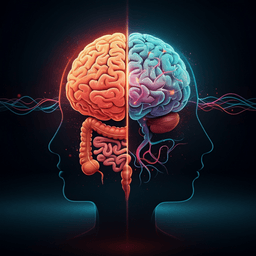
The microbiota-gut-brain axis in depression: unraveling the relationships and therapeutic opportunities
Z. Zhu, Y. Cheng, et al.
Emerging evidence positions the microbiota-gut-brain axis as a pivotal driver of depression, linking gut microbial shifts to neuroendocrine, neuroimmune and metabolic disruptions and pointing to probiotics, fecal microbiota transplantation and AI-enabled microbiome therapies as promising personalized approaches. This research was conducted by authors present in the Authors tag: Zhangcheng Zhu, Yiwen Cheng, Xia Liu, Xiaocui Xu, Wenwen Ding, Zongxin Ling, Jiaming Liu, Guangyong Cai.
Related Publications
Explore these studies to deepen your understanding
Adjacent work that informs or extends this paper's methodology and findings.
Medicine and Health
The microbiota–gut–brain axis in mental and neurodegenerative disorders: opportunities for prevention and intervention
L. K. Yassin, J. Skrabulyte-barbulescu, et al.

Biology
The Gut Microbiota-Brain Axis during Aging, Mild Cognitive Impairment and Dementia: Role of Tau Protein, β-Amyloid and LPS in Serum and Curli Protein in Stool
M. Sánchez-tapia, A. Mimenza-alvarado, et al.

Medicine and Health
Microbiota-gut-brain axis in neurodegenerative diseases: molecular mechanisms and therapeutic targets
C. Chen, G. Wang, et al.

Medicine and Health
Gut Failure: A Review of the Pathophysiology and Therapeutic Potentials in the Gut-Heart Axis
A. Day, B. Lauer, et al.


