logo
ResearchBunny Logo
Social Media Algorithms and Teen Addiction: Neurophysiological Impact and Ethical Considerations

Medicine and Health

Social Media Algorithms and Teen Addiction: Neurophysiological Impact and Ethical Considerations

D. De, M. E. Jamal, et al.
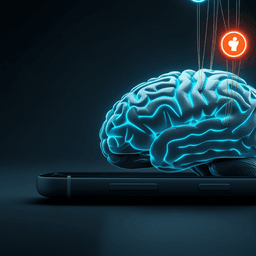
How many hours of scrolling reshape teenage brains? This review examines how prolonged social media use alters dopamine-driven reward systems, prefrontal cortex and amygdala activity, and how AI-driven algorithms intensify engagement and addictive cycles. This research was conducted by Debasmita De, Mazen El Jamal, Eda Aydemir, and Anika Khera.... show more
Abstract
Does it matter how many hours we spend scrolling through Instagram? This article examines the neurobiological impact of prolonged social media use, focusing on how it affects the brain's reward, attention, and emotional regulation systems. Frequent engagement with social media platforms alters dopamine pathways, a critical component in reward processing, fostering dependency analogous to substance addiction. Furthermore, changes in brain activity within the prefrontal cortex and amygdala suggest increased emotional sensitivity and compromised decision-making abilities. The role of artificial intelligence (AI) in this process is significant. AI-driven social media algorithms are designed solely to capture our attention for profit without prioritizing ethical concerns, personalizing content, and enhancing user engagement by continuously tailoring feeds to individual preferences. These adaptive algorithms are designed to maximize screen time, thereby deepening the activation of the brain's reward centers. This cycle of optimized content and heightened engagement accelerates the development of addictive behaviors. The interplay between altered brain physiology and AI-driven content optimization creates a feedback loop that promotes social media addiction among teenagers. This raises significant ethical concerns regarding privacy and the promotion of personalized content. This review article offers a comprehensive and in-depth analysis of the neurophysiological impact of social media on adolescents and the moral concerns governing them. It also provides solutions for ethical social media use and preventing addiction among teenagers.
Publisher
Cureus
Published On
Jan 08, 2025
Authors
Debasmita De, Mazen El Jamal, Eda Aydemir, Anika Khera
Tags
social media addiction
dopamine pathways
prefrontal cortex
amygdala
AI-driven algorithms
adolescents
ethical concerns
Listen, Learn & Level Up
Over 10,000 hours of research content in 25+ fields, available in 12+ languages.
No more digging through PDFs, just hit play and absorb the world's latest research in your language, on your time.
listen to research audio papers with researchbunny