
Medicine and HealthCureus
Social Media Algorithms and Teen Addiction: Neurophysiological Impact and Ethical Considerations
D. De, M. E. Jamal, et al.
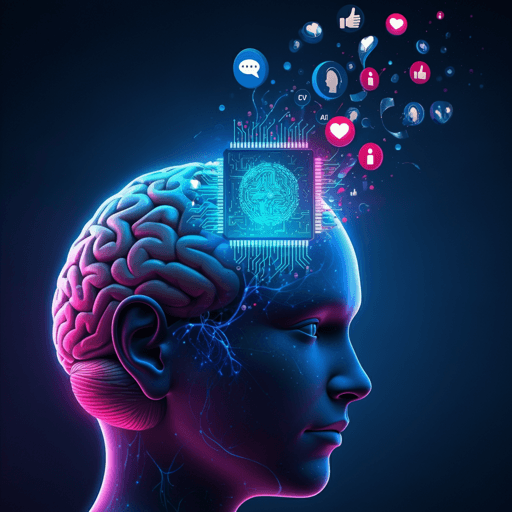
How many hours of scrolling reshape teenage brains? This review examines how prolonged social media use alters dopamine-driven reward systems, prefrontal cortex and amygdala activity, and how AI-driven algorithms intensify engagement and addictive cycles. This research was conducted by Debasmita De, Mazen El Jamal, Eda Aydemir, and Anika Khera.
Related Publications
Explore these studies to deepen your understanding
Adjacent work that informs or extends this paper's methodology and findings.
Medicine and Health
Social Media Algorithms and Teen Addiction: Neurophysiological Impact and Ethical Considerations
D. De, M. E. Jamal, et al.
Psychology
Social Media Algorithms and Teen Addiction: Neurophysiological Impact and Ethical Considerations
D. De, M. E. Jamal, et al.

Psychology
An experimental online study on the impact of negative social media comments on anxiety and mood
Y. Ai and A. V. Mühlenen

Psychology
The impact of social isolation on smartphone addiction among college students: the multiple mediating effects of loneliness and COVID-19 anxiety
Y. Wang and Q. Ma


