Medicine and Health
Social Media Algorithms and Teen Addiction: Neurophysiological Impact and Ethical Considerations
D. De, M. E. Jamal, et al.
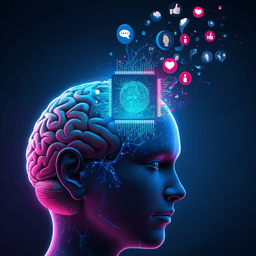
Social media platforms such as Facebook, Instagram, YouTube, Snapchat, and TikTok have driven a global surge in use, with over 5 billion active users in 2024 and projections exceeding 6 billion by 2028. Adolescents are heavily represented: nearly one-third of social media users are adolescents and young adults, and 93–97% of teenagers aged 13–17 use at least one social platform. Adolescent girls aged 16–24 spend more than three hours daily on social media (boys ~2.5 hours). Social media significantly shapes adolescents’ sense of peer acceptance and social identity, often without adequate parental supervision. Legal actions (e.g., a multistate lawsuit against Meta) underscore concerns that teen-targeted, addictive features may harm brain development and overall functioning. Multiple overlapping terms describe this phenomenon—problematic social media use, problematic social networking site use, social media disorder, Facebook addiction/dependence—but there is no consensus definition. Broader constructs include internet addiction (IA) and smartphone addiction (SPA), each linked to anxiety, depression, ADHD, stress, low self-esteem, and reduced well-being. Apart from internet gaming disorder, social media addiction is not recognized as a formal diagnosis in DSM-5 or ICD-11. Design features such as notifications and infinite scroll, powered by machine learning (e.g., NLP, regression, clustering), personalize content, optimize feeds, and amplify engagement—dynamics that are particularly risky for adolescents given heightened reward sensitivity and ongoing neurodevelopment. Ethical concerns arise from platforms’ profit-driven data collection and targeted content, including the amplification of potentially harmful material. Time on social media shows a dose-response relationship with depression risk (e.g., 13% increased incidence per additional hour). Given pervasive use (e.g., 96% of Canadian adolescents use social media; notable rates of problematic use in Europe and Hungary), this review examines neurophysiological mechanisms underlying adolescent vulnerability, the role of AI-driven algorithms in reinforcing addictive behaviors, and ethical implications, and proposes strategies to mitigate harm.
This narrative review synthesizes evidence linking social media, internet, smartphone, and gaming-related problematic use to neurobiological and cognitive changes in adolescents. It integrates prior work on the mesolimbic reward pathway (VTA–nucleus accumbens) and dopamine-mediated reinforcement in behavioral and substance addictions; structural and functional brain alterations (e.g., increased grey matter volume in putamen and right nucleus accumbens, decreased orbitofrontal cortex volume; reduced activity in the anterior cingulate cortex; reduced amygdala grey matter) associated with internet/smartphone/social networking addictions; and the I-PACE model describing how internet use affects attention, mood, emotion regulation, and inhibitory control. The review also covers adolescent-specific vulnerabilities (heightened reward sensitivity, potential dopaminergic genetic variants), cognitive impacts (self-monitoring, memory, organization, time management), sleep disruption via late-night smartphone use (melatonin suppression, circadian misalignment), and risk-taking features in internet gaming disorder. It evaluates AI-driven personalization loops that heighten engagement (likes, comments, tagging) and foster dependence, and discusses ethical concerns regarding surveillance-based data collection, opaque algorithms, targeted advertising to youth, and insufficiently informed consent.
- AI-driven, engagement-optimizing algorithms personalize content and increase screen time, reinforcing dopamine-mediated reward circuits and fostering addiction-like behaviors in teens.
- Prevalence and exposure: Over 5 billion social media users in 2024; 93–97% of teens (13–17) use at least one platform; adolescent girls (16–24) >3 hours/day; boys ~2.5 hours/day.
- Dose-response mental health risk: Each additional hour of social media use is associated with a 13% increase in depression incidence among adolescents.
- Neurobiological alterations associated with problematic use:
- Reward system: Overactivation of mesolimbic dopamine pathways (VTA–nucleus accumbens) parallels mechanisms seen in substance addictions; reduced sensitivity to natural rewards is a hallmark of addiction.
- Structural changes: Increased grey matter volume in bilateral putamen and right nucleus accumbens; decreased grey matter volume in orbitofrontal cortex (prefrontal cortex component); reduced amygdala grey matter in social networking site addiction.
- Functional changes: Reduced neural activity in the anterior cingulate cortex with smartphone addiction; frontostriatal imbalance with impaired inhibitory control and heightened stimulus sensitivity.
- Cognitive and behavioral impacts: Deficits in attention, self-monitoring, memory, organizational skills, time management; increased risk-taking in internet gaming disorder; fear of missing out linked to poorer sleep quality; late-night smartphone use reduces melatonin and disrupts circadian rhythms.
- Adolescent vulnerability: Developmental reward sensitivity and possible dopaminergic genetic variants (e.g., DRD2, dopamine-degrading enzymes) increase susceptibility to online gaming and social media addiction.
- Ethical landscape: Platforms collect extensive personal data (browsing, location, purchases) to maximize engagement and ad revenue (e.g., US children generated $11B in 2022), raising privacy and informed-consent concerns.
- Proposed solutions: Design for well-being (break prompts, screen-time limits), user-controlled content modulation, and transparency about data use and algorithmic operations.
The review addresses why and how adolescents become hooked on social media by connecting neurophysiology to platform design. Algorithmic personalization exploits the mesolimbic reward system by delivering unpredictable, salient social rewards (likes, comments), reinforcing engagement through dopamine-driven learning. Adolescents’ heightened reward sensitivity and ongoing maturation of prefrontal executive control make them particularly vulnerable to such reinforcement schedules. Structural and functional brain differences (frontostriatal imbalance, ACC hypoactivity, amygdala changes) align with observed deficits in inhibitory control, decision-making, emotional regulation, and sleep, providing a mechanistic basis for addiction-like patterns. The documented dose-response association with depression underscores clinical relevance. Ethically, surveillance-based personalization aimed at maximizing engagement conflicts with adolescent well-being and informed consent. The paper argues for platform-level interventions (well-being-centered design, transparency, user control), alongside education and parental guidance, to mitigate risks while recognizing the pervasiveness of social media in adolescent life.
Adolescents are vulnerable to excessive social media use that can develop into addiction-like patterns linked to anxiety and depression. Lower responsiveness in key prefrontal and cingulate regions during adolescence predicts greater subsequent addiction symptoms. ADHD and time spent online are notable predictors of problematic use. Despite growing evidence of neurobiological and cognitive impacts, social media addiction lacks formal diagnostic status in DSM/ICD, and neurological data in adolescents remain limited. This interdisciplinary review integrates neurophysiology and machine learning perspectives to explain how AI-driven algorithms and reward pathway dynamics reinforce compulsive use, with structural and functional brain changes implicated in decision-making and emotional regulation. The authors highlight ethical concerns regarding surveillance, opaque personalization, and profit-driven engagement. Actionable recommendations include parental guidance, media literacy education, transparent algorithmic practices, user-controlled content settings, and community supports (e.g., peer-led groups). A collaborative approach among families, educators, clinicians, and technology companies is essential to foster healthier social media habits and protect adolescent mental health.
The review focuses on neurobiological changes without fully addressing variability across age groups, cultures, or individual differences (e.g., pre-existing mental health conditions). Concentration on adolescents may overlook other at-risk populations. The article relies heavily on secondary literature and may not reflect rapidly evolving platforms and algorithms. Longitudinal evidence is limited, precluding causal inferences about long-term effects on brain development. Further research is needed to address these gaps and provide a more comprehensive understanding.
Related Publications
Explore these studies to deepen your understanding of the subject.