BiologyScience Advances
Keeping time and rhythm by internal simulation of sensory stimuli and behavioral actions
V. D. Lafuente, M. Jazayeri, et al.
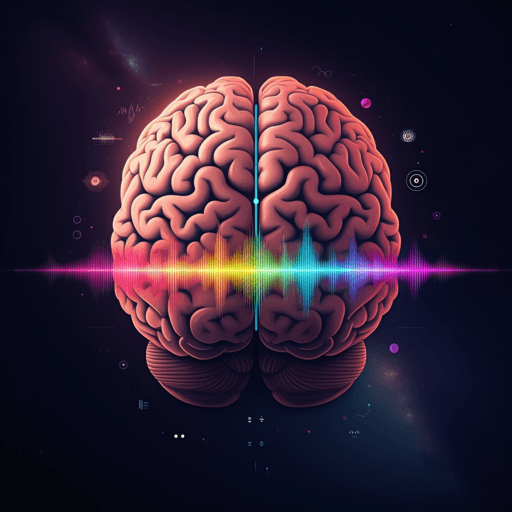
Maintaining rhythms engages multiple brain areas and involves oscillations in firing rates and broadband LFP power that flexibly encode fast, medium, and slow tempos, even without external stimuli or motor actions—suggesting internal simulation underlies timekeeping. This research was conducted by Victor de Lafuente, Mehrdad Jazayeri, Hugo Merchant, Otto García-Garibay, Jaime Cadena-Valencia, and Ana M. Malagón.
Related Publications
Explore these studies to deepen your understanding
Adjacent work that informs or extends this paper's methodology and findings.

Education
Maternal depression and children's behavioral self-regulation: the role of parenting and children's screen time
S. Wang, J. Huang, et al.

Education
Home-rearing environment and preschoolers' academic and behavioral competence: The indirect role of children's screen time
H. Xie, S. Wang, et al.

Medicine and Health
Behavioral and brain responses to verbal stimuli reveal transient periods of cognitive integration of the external world during sleep
B. Türker, E. M. Musat, et al.

Environmental Studies and Forestry
Simulation of population size and economic scale supportable by the Yellow River's available freshwater in 2030 under multiple scenarios
L. Guo, X. Song, et al.