
PsychologyPLOS One
Voice clones sound realistic but not (yet) hyperrealistic
N. Lavan, M. Irvine, et al.
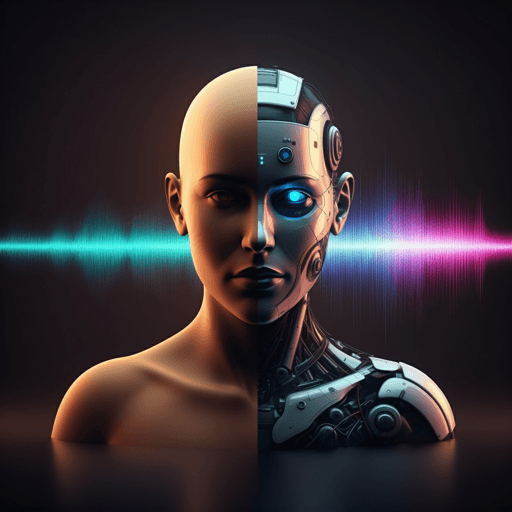
AI-generated voices are becoming ubiquitous—from virtual assistants to voice-overs. This study finds that voice clones can sound as real as human speakers, listeners often struggle to tell them apart, and many AI voices are judged more dominant (and sometimes more trustworthy) than real voices. The research was conducted by Authors present in <Authors> tag.
Related Publications
Explore these studies to deepen your understanding
Adjacent work that informs or extends this paper's methodology and findings.

Environmental Studies and Forestry
Coastal Proximity and Visits are Associated with Better Health but May Not Buffer Health Inequalities
S. J. Geiger, M. P. White, et al.

Biology
Variable food alters responses of larval crown-of-thorns starfish to ocean warming but not acidification
B. Mos, N. Mesic, et al.

Medicine and Health
Wuliangye Baijiu but not ethanol reduces cardiovascular disease risks in a zebrafish thrombosis model
H. Zhu, C. Lan, et al.

Environmental Studies and Forestry
Electric light-duty vehicles have decarbonization potential but may not reduce other environmental problems
H. Chen, S. E. C. Sener, et al.


