
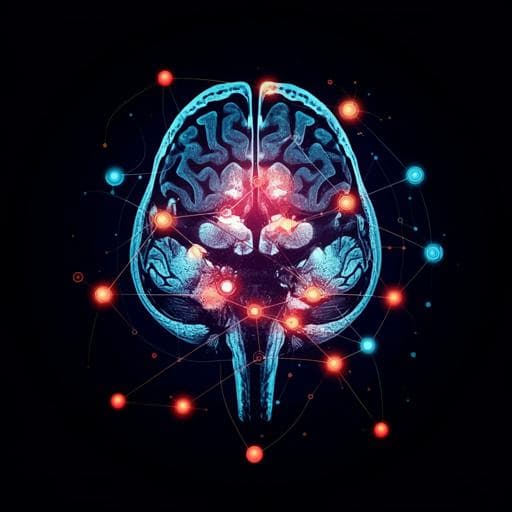
PsychologyNature Communications
Temporally organized representations of reward and risk in the human brain
V. Man, J. Cockburn, et al.
This groundbreaking research reveals how our brains process reward and risk, using advanced iEEG techniques during a specially designed card game. Conducted by the team of Vincent Man, Jeffrey Cockburn, and others, the study uncovers the sequential organization of reward outcomes and highlights the anterior insula's critical role in decision-making under uncertainty.
Related Publications
Explore these studies to deepen your understanding
Adjacent work that informs or extends this paper's methodology and findings.

Psychology
Object representations in the human brain reflect the co-occurrence statistics of vision and language
M. F. Bonner and R. A. Epstein

Veterinary Science
Human social conditions predict the risk of exposure to zoonotic parasites in companion animals in East and Southeast Asia
V. Colella, P. Wongnak, et al.
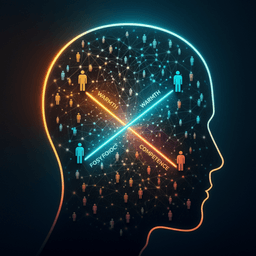
Psychology
Distance and grid-like codes support the navigation of abstract social space in the human brain
Z. Liang, S. Wu, et al.
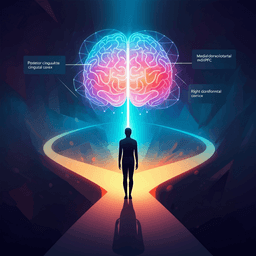
Psychology
Decision-Making with Predictions of Others’ Likely and Unlikely Choices in the Human Brain
N. Ma, N. Harasawa, et al.


