logo
Loading...
People see more of their biases in algorithms
PsychologyPNAS

People see more of their biases in algorithms

B. Celiktutan, R. Cadario, et al.

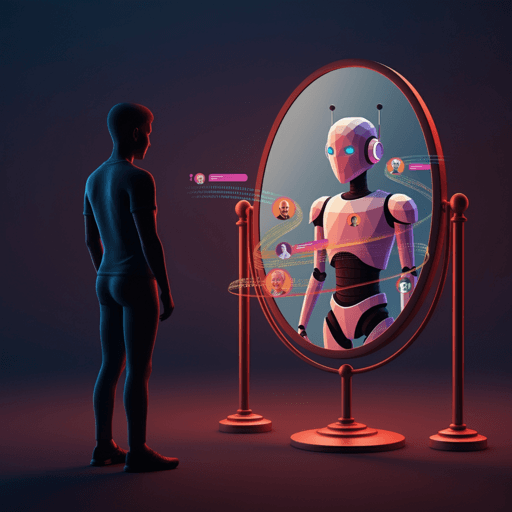
People perceive more of their own biases (e.g., age, gender, race) in algorithmic decisions than in their own—even when the algorithm is trained on their exact choices and they are incentivized to be truthful. Those with a stronger bias blind spot especially saw more bias in algorithms and were likelier to make debiasing corrections to algorithm-attributed decisions. Research conducted by Begum Celiktutan, Romain Cadario, and Carey K. Morewedge.... show more
Abstract
Algorithmic bias occurs when algorithms incorporate biases in the human decisions on which they are trained. We find that people see more of their biases (e.g., age, gender, race) in the decisions of algorithms than in their own decisions. Research participants saw more bias in the decisions of algorithms trained on their decisions than in their own decisions, even when those decisions were the same and participants were incentivized to reveal their true beliefs. By contrast, participants saw as much bias in the decisions of algorithms trained on their decisions as in the decisions of other participants and algorithms trained on the decisions of other participants. Cognitive psychological processes and motivated reasoning help explain why people see more of their biases in algorithms. Research participants most susceptible to bias blind spot were most likely to see more bias in algorithms than self. Participants were also more likely to perceive algorithms than themselves to have been influenced by irrelevant biasing attributes (e.g., race) but not by relevant attributes (e.g., user reviews). Because participants saw more of their biases in algorithms than themselves, they were more likely to make debiasing corrections to decisions attributed to an algorithm than to themselves. Our findings show that bias is more readily perceived in algorithms than in self and suggest how to use algorithms to reveal and correct biased human decisions.
Publisher
PNAS
Published On
Apr 10, 2024
Authors
Begum Celiktutan, Romain Cadario, Carey K. Morewedge
Tags
algorithmic biasbias blind spotmotivated reasoningperceived biasdebiasing correctionshuman-AI decision making
Listen, Learn & Level Up
Over 10,000 hours of research content in 25+ fields, available in 22+ languages.
No more digging through PDFs, just hit play and absorb the world's latest research in your language, on your time.
listen to research audio papers with researchbunny
    People see more of their biases in algorithms | ResearchBunny