
Medicine and HealthCureus
Modern Day High: The Neurocognitive Impact of Social Media Usage
A. Satani, K. K. Satani, et al.
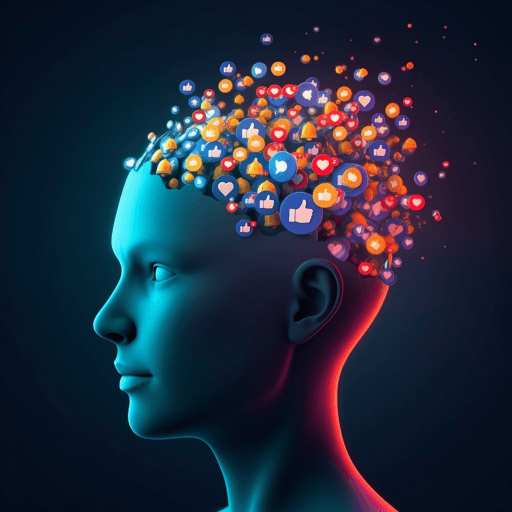
Explore real-time EEG evidence that 30 minutes of social media use alters brain rhythms—decreased Alpha with emotional content, sustained Beta/Gamma during interaction, and rising Theta/Delta during passive browsing. These findings suggest reward-like engagement and possible digital fatigue. This research was conducted by Abhijeet Satani, Kshma Kheskani Satani, Param Barodia, and Heth Joshi. Listen to the audio to uncover the neurophysiological story behind our scrolling habits.
Related Publications
Explore these studies to deepen your understanding
Adjacent work that informs or extends this paper's methodology and findings.

Education
The impact of self-determination theory: the moderating functions of social media (SM) use in education and affective learning engagement
U. Alturki and A. Aldraiweesh

Sociology
Effect of social media usage on the cultural identity of rural people: a case study of Bamha village, Egypt
M. Radwan

Humanities
Measuring the impact of COVID-19 on heritage sites in the UK using social media data
Z. Liu, S. A. Orr, et al.

Business
The power of social media influencers: unveiling the impact on consumers’ impulse buying behaviour
K. Shamim and M. Azam


