

Earth SciencesNature Ecology & Evolution
Ecosystem productivity affected the spatiotemporal disappearance of Neanderthals in Iberia
M. Vidal-cordasco, D. Ocio, et al.
This groundbreaking research by M. Vidal-Cordasco, D. Ocio, T. Hickler, and A. B. Marín-Arroyo reveals how fluctuations in biomass availability played a critical role in the disappearance of Neanderthals and the survival of modern humans in Iberia during the Middle to Upper Palaeolithic transition. Delve into the intriguing ecological dynamics that shaped our ancestors' fates.
Related Publications
Explore these studies to deepen your understanding
Adjacent work that informs or extends this paper's methodology and findings.

Business
Exploring the spatiotemporal evolution mechanism of rural e-commerce: insights from the experience of Taobao towns in China
X. Cui, W. Huang, et al.

Transportation
How has the Covid-19 pandemic affected wheelchair users? Time-series analysis of the number of railway passengers in Tokyo
Y. Arai, Y. Niwa, et al.
Social Work
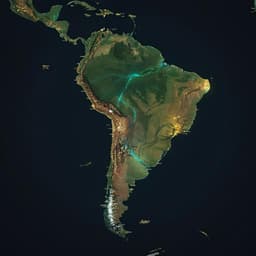
Resolution and the detection of cultural dispersals: development and application of spatiotemporal methods in Lowland South America
P. Riris and F. Silva

Environmental Studies and Forestry
Spatiotemporal dynamic evolution and driving factors of desertification in the Mu Us Sandy Land in 30 years
X. Han, G. Jia, et al.


