
PsychologyBrain and Cognition
Cognitive control, motivation and fatigue: A cognitive neuroscience perspective
A. Kok
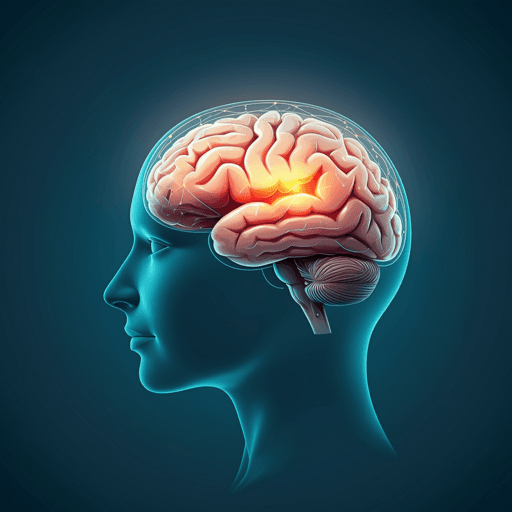
This article, conducted by Albert Kok, offers a unified account of how cognitive control, motivation and dopamine pathways interact in the development of fatigue. It links motivation-control networks and striatal–cortical connectivity with decision-making and proposes a medial prefrontal cortex cost–benefit model integrating reward, effort and fatigue.
Related Publications
Explore these studies to deepen your understanding
Adjacent work that informs or extends this paper's methodology and findings.
Psychology
Cognitive control, motivation and fatigue: A cognitive neuroscience perspective
A. Kok

Education
Profiles of learners based on their cognitive and metacognitive learning strategy use: occurrence and relations with gender, intrinsic motivation, and perceived autonomy support
D. Kwarikunda, U. Schiefele, et al.

Medicine and Health
Detection of cerebrospinal fluid biomarkers changes of Alzheimer's disease using a cognitive stress test in persons with subjective cognitive decline and mild cognitive impairment
M. Valles-salgado, M. J. Gil-moreno, et al.

Business
ESG and customer stability: a perspective based on external and internal supervision and reputation mechanisms
H. Xu, Y. Li, et al.


