
TransportationTransportation Research Part C
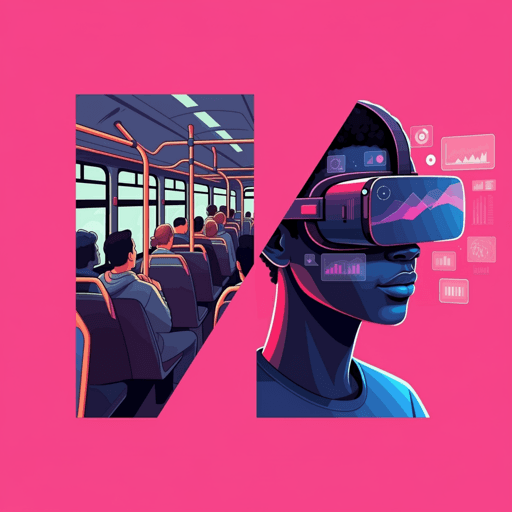
A neurobehavioral study of bus crowding valuations in picture-based and immersive choice experiments
N. Javanbakht, V. Maksimenko, et al.
This study examines how picture-based versus VR experiment formats affect valuation of bus crowding and the cognitive mechanisms behind perception differences. Using 38 participants completing 40 scenarios per format, the authors estimate individual crowding multipliers and correlate them with neural biomarkers. Research conducted by Niloufar Javanbakht, Vladimir Maksimenko, Xinming Lu, and Prateek Bansal.
Related Publications
Explore these studies to deepen your understanding
Adjacent work that informs or extends this paper's methodology and findings.

Environmental Studies and Forestry
A new scheme for low-carbon recycling of urban and rural organic waste based on carbon footprint assessment: A case study in China
K. Zhou, Y. Li, et al.

Psychology
Prevalence and correlates of suicidal ideation and suicide attempts in preadolescent children: A US population-based study
H. R. Lawrence, T. A. Burke, et al.

Medicine and Health
Joint association of sleep quality and physical activity with metabolic dysfunction-associated fatty liver disease: a population-based cross-sectional study in Western China
Y. Wang, Q. Zhao, et al.

Linguistics and Languages
Syntactic Complexity in Legal Translated Texts and the Use of Plain English: A Corpus-Based Study
X. Lin, M. Afzaal, et al.


