
Earth SciencesCommunications Earth & Environment
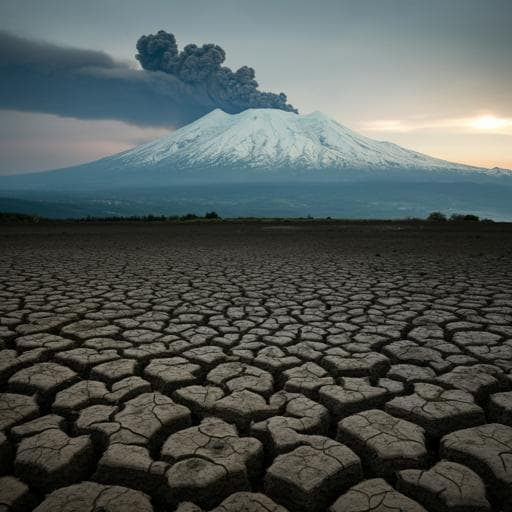
Past megadroughts in central Europe were longer, more severe and less warm than modern droughts
M. Ionita, M. Dima, et al.
Explore the intriguing findings of M. Ionita and colleagues as they delve into historical megadroughts in central Europe, discovering that past droughts during the Spörer and Dalton Minimums were far more severe than those in recent years. This transformative research links these climate events to ocean conditions and atmospheric changes, shedding new light on natural variability in drought occurrences.
Related Publications
Explore these studies to deepen your understanding
Adjacent work that informs or extends this paper's methodology and findings.

Agriculture
The financial well-being of fruit farmers in Chile and Tunisia depends more on social and geographical factors than on climate change
F. Obster, H. Bohle, et al.

Psychology
Implicit racial biases are lower in more populous more diverse and less segregated US cities
A. J. Stier, S. Sajjadi, et al.

Earth Sciences
Arctic cyclones have become more intense and longer-lived over the past seven decades
X. Zhang, H. Tang, et al.

Environmental Studies and Forestry
Permaculture enhances carbon stocks, soil quality and biodiversity in Central Europe
J. Reiff, H. F. Jungkunst, et al.


