logo
ResearchBunny Logo
Exploring the possible relationship between skin microbiome and brain cognitive functions: a pilot EEG study

Interdisciplinary Studies

Exploring the possible relationship between skin microbiome and brain cognitive functions: a pilot EEG study

P. Wang, D. Rajput, et al.

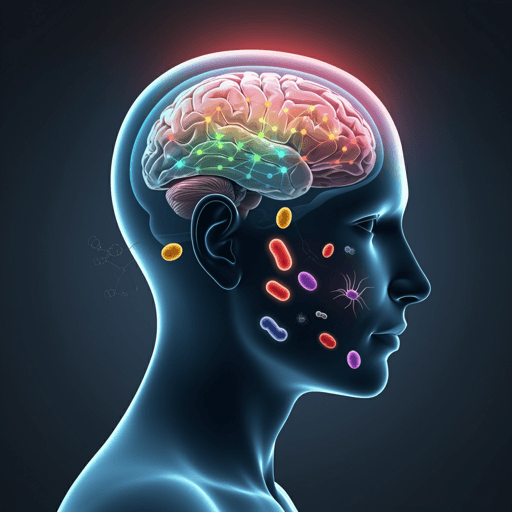
Skin bacteria may influence brain activity: this study found that manipulating local skin microbiota altered scalp acidity, increased P3 amplitudes after bacterial removal, and allowed EEG features to be classified with >88% accuracy. This research was conducted by Po-Chun Wang, Daniyal Rajput, Xin-Fu Wang, Chun-Ming Huang, and Chun-Chuan Chen.... show more
Abstract
Human microbiota mainly resides on the skin and in the gut. Human gut microbiota can produce a variety of short chain fatty acids (SCFAs) that affect many physiological functions and most importantly modulate brain functions through the bidirectional gut-brain axis. Similarly, skin microorganisms also have identical metabolites of SCFAs reported to be involved in maintaining skin homeostasis. However, it remains unclear whether these SCFAs produced by skin bacteria can affect brain cognitive functions. In this study, we hypothesize that the brain’s functional activities are associated with the skin bacterial population and examine the influence of local skin-bacterial growth on event-related potentials (ERPs) during an oddball task using EEG. Additionally, five machine learning (ML) methods were employed to discern the relationship between skin microbiota and cognitive functions. Twenty healthy subjects underwent three rounds of tests under different conditions—alcohol, glycerol, and water. Statistical tests confirmed a significant increase in bacterial population under water and glycerol conditions when compared to the alcohol condition. The metabolites of bacteria can turn phenol red from red–orange to yellow, confirming an increase in acidity. P3 amplitudes were significantly enhanced in response to only oddball stimulus at fronto-central channels and were observed after the removal of bacteria when compared with that under the water and glycerol manipulations. By using machine learning methods, we demonstrated that EEG features could be separated with a good accuracy (>88%) after experimental manipulations. Our results suggest a relationship between skin microbiota and brain functions. We hope our findings motivate further study into the underlying mechanism. Ultimately, an understanding of the relationship between skin microbiota and brain functions can contribute to the treatment and intervention of diseases that link with this pathway.
Publisher
Scientific Reports
Published On
Apr 02, 2024
Authors
Po-Chun Wang, Daniyal Rajput, Xin-Fu Wang, Chun-Ming Huang, Chun-Chuan Chen
Tags
skin microbiota
short-chain fatty acids (SCFAs)
gut-brain axis
EEG
event-related potentials (ERPs)
P3 amplitude
machine learning
Listen, Learn & Level Up
Over 10,000 hours of research content in 25+ fields, available in 12+ languages.
No more digging through PDFs, just hit play and absorb the world's latest research in your language, on your time.
listen to research audio papers with researchbunny