logo
Loading...
Cognitive effort increases the intensity of rewards
PsychologyPNAS Nexus

Cognitive effort increases the intensity of rewards

M. Wahab, N. L. Mead, et al.

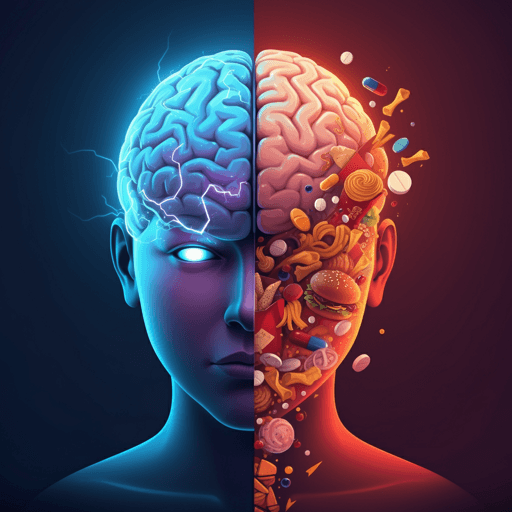
Intense cognitive effort can amplify the hedonic impact of rewards and drive overconsumption: in rats, pre-task effort boosted cocaine intake and psychostimulant effects (reversed by 2–4 h rest), while in humans effort increased enjoyment and consumption of tasty unhealthy food without affecting neutral judgments. Research conducted by Mejda Wahab, Nicole L. Mead, Stevenson Desmercieres, Virginie Lardeux, Emilie Dugast, Roy F. Baumeister, and Marcello Solinas.... show more
Abstract
An important body of literature suggests that exerting intense cognitive effort causes mental fatigue and can lead to unhealthy behaviors such as indulging in high-calorie food and taking drugs. Whereas this effect has been mostly explained in terms of weakening cognitive control, cognitive effort may also bias behavioral choices by amplifying the hedonic and emotional impact of rewards. We report parallel findings with animals and humans supporting this hypothesis. In rats, exerting cognitive effort immediately before access to cocaine self-administration significantly increased drug intake. In addition, exerting cognitive effort increased the psychostimulant effect of cocaine. The effects of cognitive effort on addiction-related behaviors were eliminated and even reversed when animals could rest in their home-cage for 2–4 h before access to cocaine self-administration. Among humans, we found that expending cognitive effort increased consumption of tasty (but unhealthy) food by increasing the hedonic enjoyment of consuming the food. In addition, the effects were specific for emotionally relevant stimuli (i.e. food rewards) and did not generalize to judgment about neutral objects. Altogether these data suggest that intense cognitive effort can increase the perceived intensity of rewards and lead to their overconsumption. This effect may contribute to bad decision making induced by excessive cognitive effort and make people more vulnerable to indulge in unhealthy behaviors such as use of addictive drugs.
Publisher
PNAS Nexus
Published On
Oct 22, 2024
Authors
Mejda Wahab, Nicole L. Mead, Stevenson Desmercieres, Virginie Lardeux, Emilie Dugast, Roy F. Baumeister, Marcello Solinas
Tags
cognitive effortreward sensitivityhedonic amplificationaddictioncocaine self-administrationoverconsumptionrest/recovery
Listen, Learn & Level Up
Over 10,000 hours of research content in 25+ fields, available in 22+ languages.
No more digging through PDFs, just hit play and absorb the world's latest research in your language, on your time.
listen to research audio papers with researchbunny