logo
Loading...
Blocking mobile internet on smartphones improves sustained attention, mental health, and subjective well-being
PsychologyPNAS Nexus

Blocking mobile internet on smartphones improves sustained attention, mental health, and subjective well-being

N. Castelo, K. Kushlev, et al.

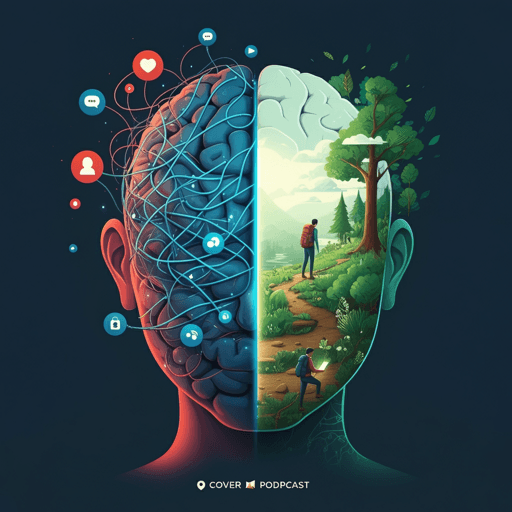
What happens when smartphones lose their ‘smart’ edge? In a month-long randomized trial, researchers blocked mobile internet on participants’ phones for two weeks—while allowing calls, texts, and desktop web access—and found improvements in mental health, subjective well-being, and sustained attention; 91% improved on at least one outcome as people spent more time socializing, exercising, and being in nature. Research conducted by Noah Castelo, Kostadin Kushlev, Adrian F. Ward, Michael Esterman, and Peter B. Reiner.... show more
Abstract
Smartphones enable people to access the online world from anywhere at any time. Despite the benefits of this technology, there is growing concern that smartphone use could adversely impact cognitive functioning and mental health. Correlational and anecdotal evidence suggests that these concerns may be well-founded, but causal evidence remains scarce. We conducted a month-long randomized controlled trial to investigate how removing constant access to the internet through smartphones might impact psychological functioning. We used a mobile phone application to block all mobile internet access from participants’ smartphones for 2 weeks and objectively track compliance. This intervention specifically targeted the feature that makes smartphones “smart” (mobile internet) while allowing participants to maintain mobile connection (through texts and calls) and nonmobile access to the internet (e.g. through desktop computers). The intervention improved mental health, subjective well-being, and objectively measured ability to sustain attention; 91% of participants improved on at least one of these outcomes. Mediation analyses suggest that these improvements can be partially explained by the intervention’s impact on how people spent their time; when people did not have access to mobile internet, they spent more time socializing in person, exercising, and being in nature. These results provide causal evidence that blocking mobile internet can improve important psychological outcomes, and suggest that maintaining the status quo of constant connection to the internet may be detrimental to time use, cognitive functioning, and well-being.
Publisher
PNAS Nexus
Published On
Feb 18, 2025
Authors
Noah Castelo, Kostadin Kushlev, Adrian F. Ward, Michael Esterman, Peter B. Reiner
Tags
smartphonesmobile internetrandomized controlled trialmental healthsustained attentionsubjective well-beingtime use
Listen, Learn & Level Up
Over 10,000 hours of research content in 25+ fields, available in 22+ languages.
No more digging through PDFs, just hit play and absorb the world's latest research in your language, on your time.
listen to research audio papers with researchbunny