A RB Dispatch from Web Summit Qatar 2026
Under the Doha Sky: Where Research Found Its Voice
When Web Summit lands in Doha, it doesn’t just host an event, it opens a corridor between continents.
This February in Qatar, against the shimmer of the West Bay skyline and the steady hum of the Doha Exhibition and Convention Center, over 25,000 founders, technologists, educators, and policymakers gathered from more than 120 countries to ask: What comes next? While many chased AI roadmaps and sovereign cloud demos, we came with something quieter, but equally urgent: to revolutionise how the world experiences research.
A Small Team, A Big Stage
This time, we did make it to a stage.
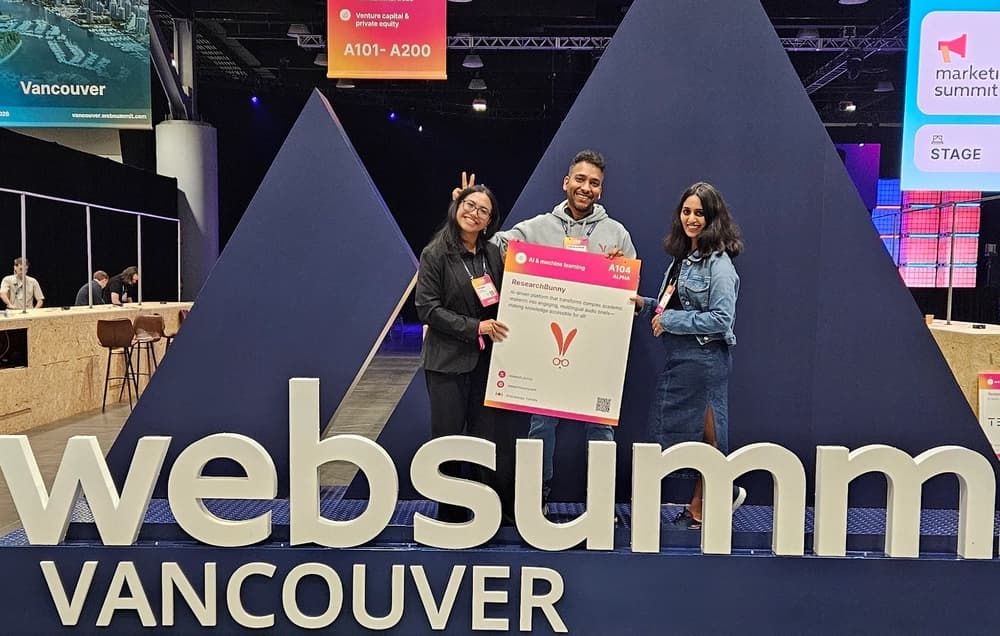
ResearchBunny was selected to pitch at Web Summit Qatar, sharing the stage with founders from across MENA, Europe, and Asia. No holograms. No fireworks.
Just a mic, a slide deck, and one Canadian startup mission, carried across the Arabian Sea:
Make research accessible. Audible. Free. In every language it’s needed.
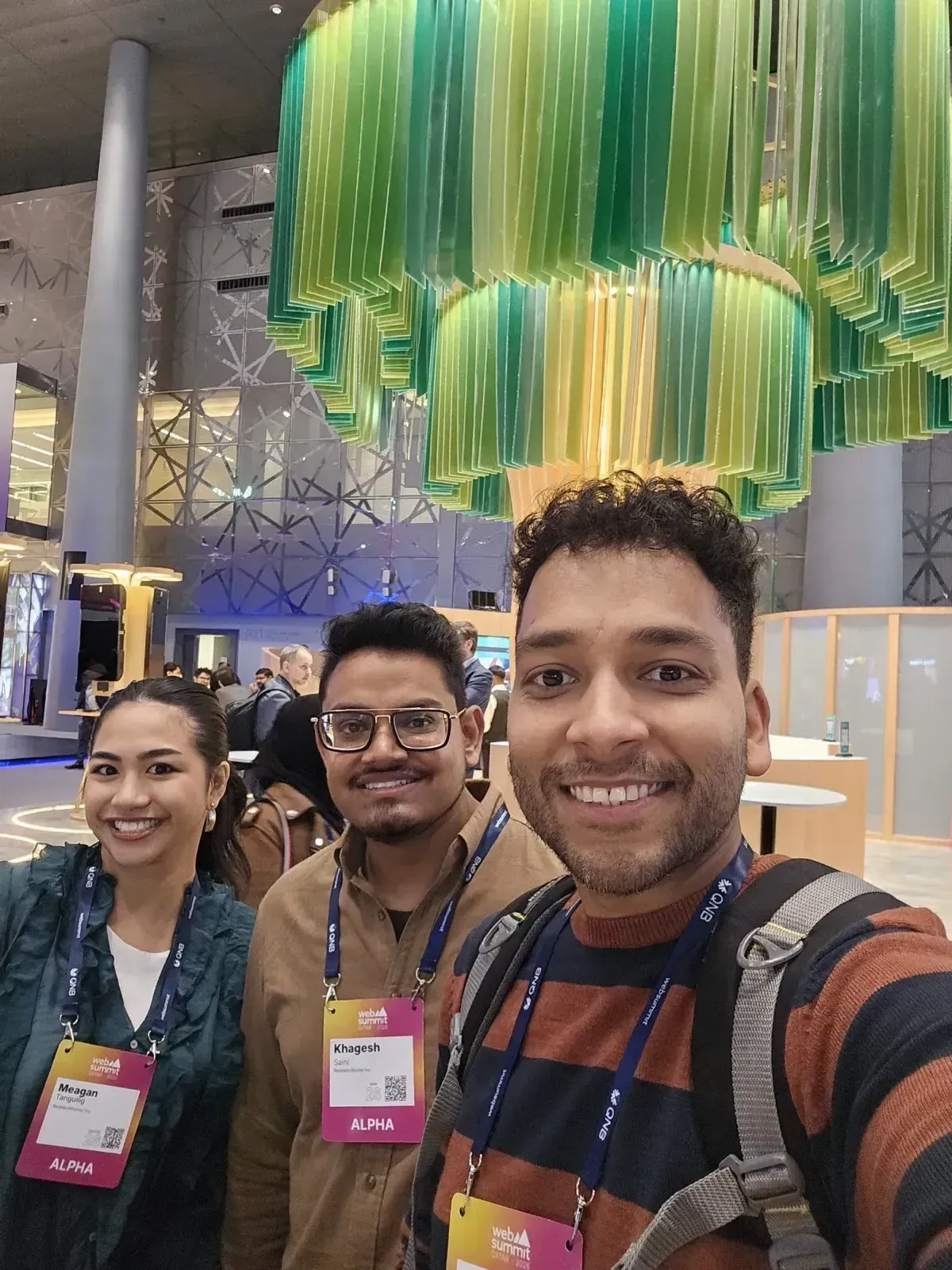
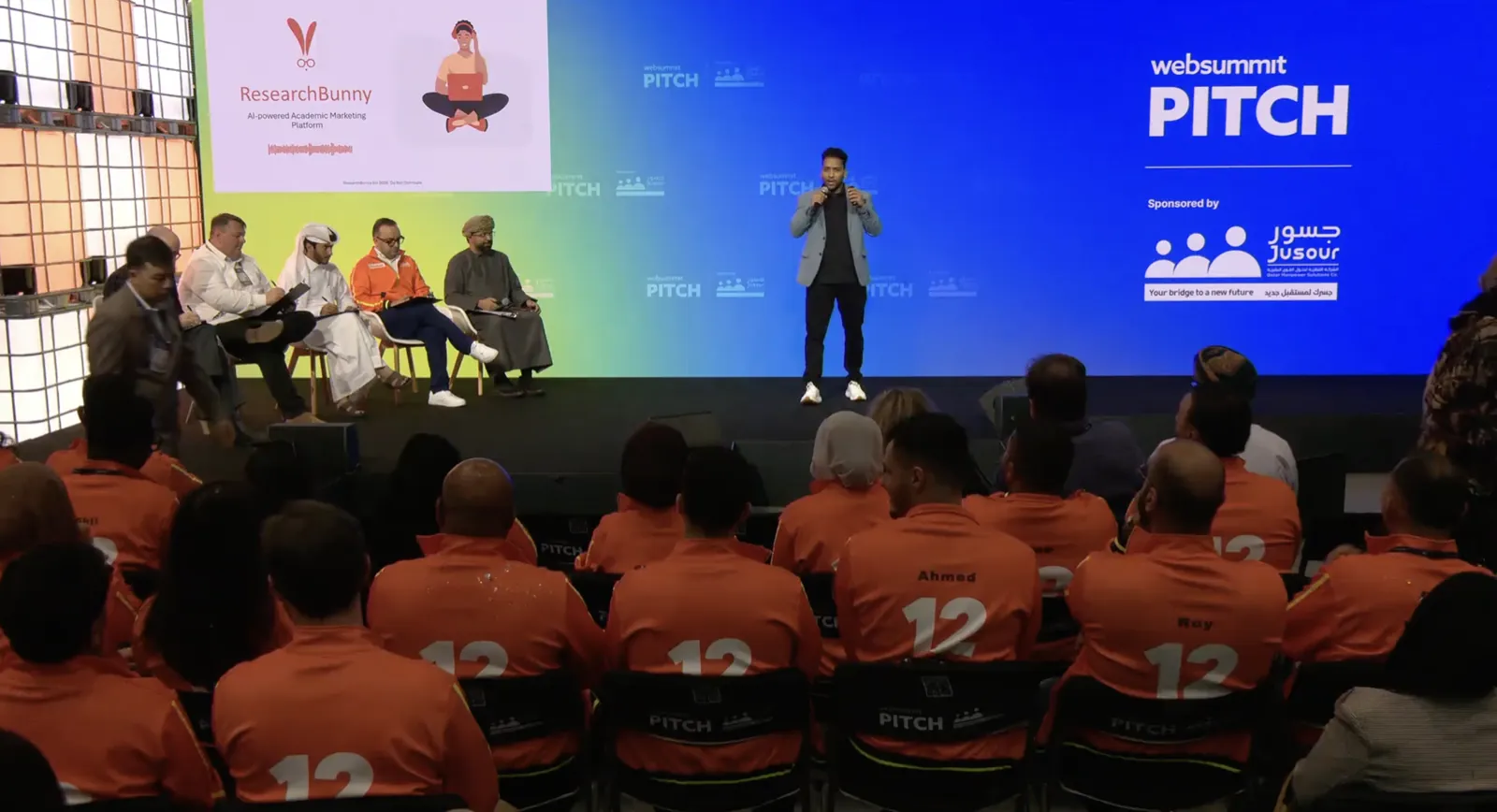
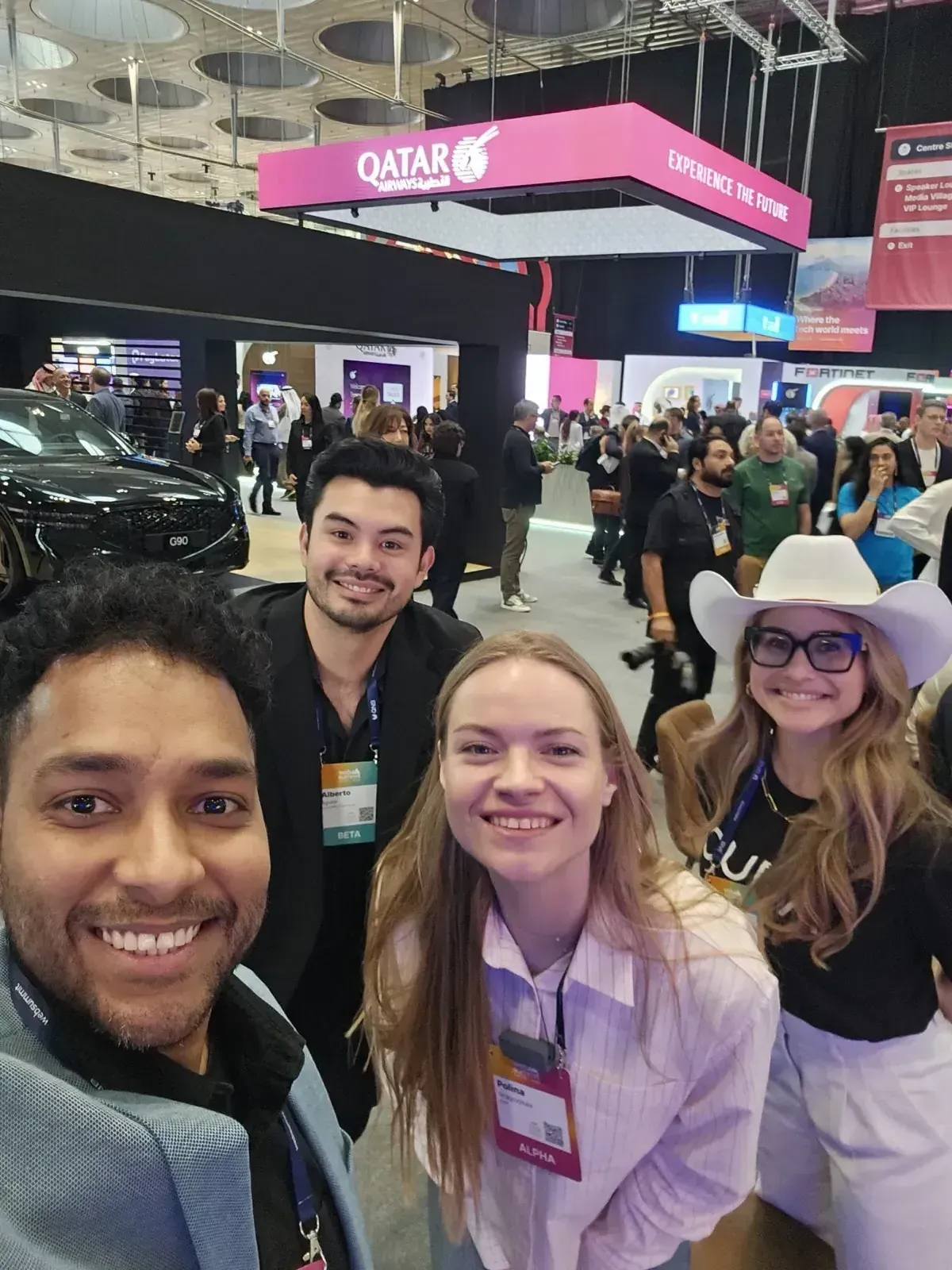
The pitch room was full of brilliance, climate tech from Cairo, fintech from Riyadh, healthtech from Istanbul. Standing alongside them, we realised something: research underpins all of it, and yet most of it never reaches the builders who need it most. That’s the gap we’re here to close.
Yes, There Was a Robot Dog
Okay, we lied a little about “no fireworks.” There was a Unitree robot dog patrolling the floor, and yes, it tried to steal our spotlight.
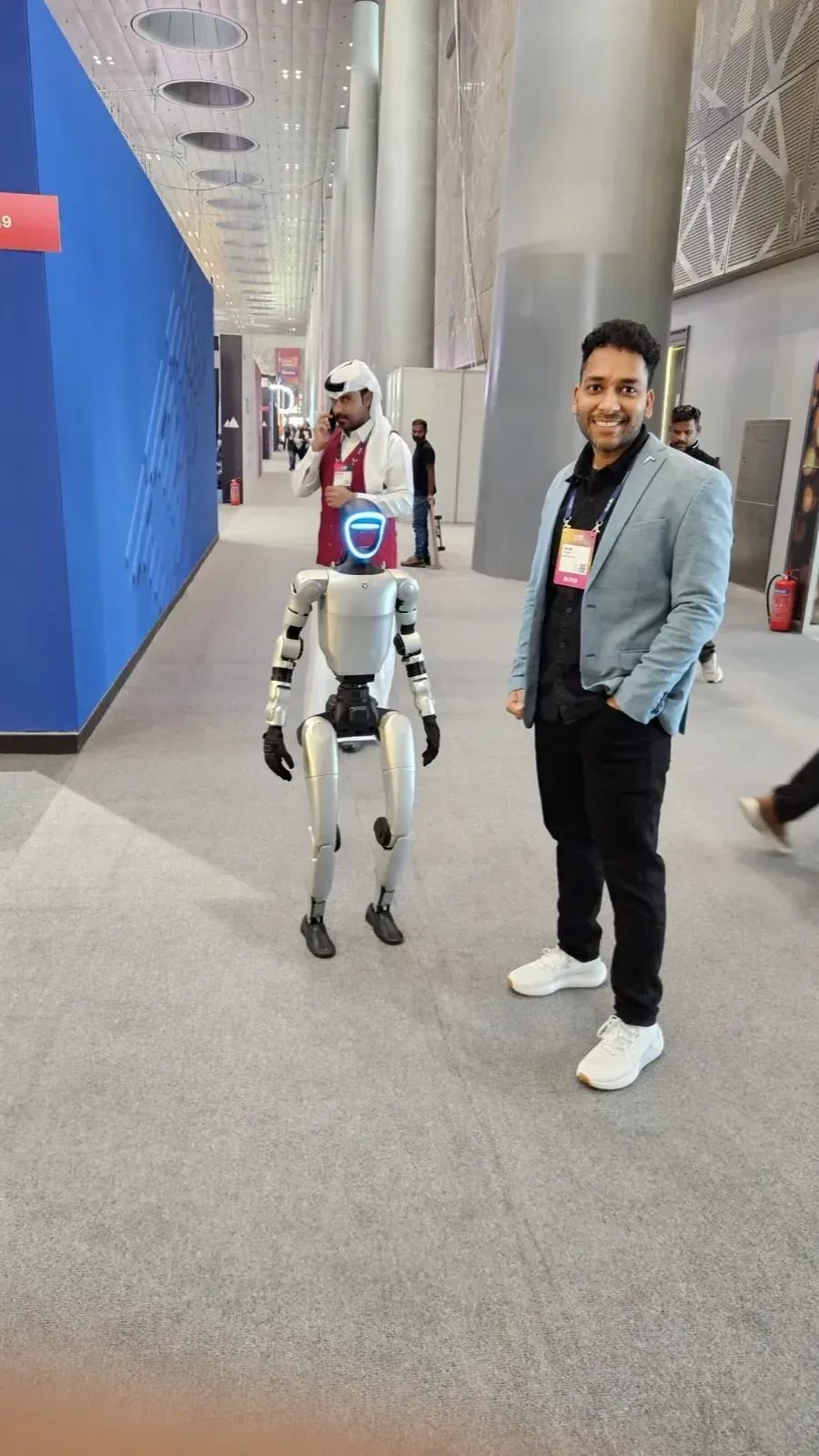
But once people stopped chasing the bot, they came back for the audio. And that’s when the real conversations began.
We demoed audio summaries in English, Arabic, Urdu, and Swahili, then asked, “ What if learning fit seamlessly into everyday life?”
- Academicians paused.
- Educators scribbled down notes.
- Researchers asked: “Can we embed this into our university portal?”
The Region Listened
The feedback was global, and unmistakably regional:
- A professor from Doha heard our Arabic snippet and said, “This is the first time research has sounded like us.”
- A graduate student from Cairo smiled at our Egyptian Arabic preview: “My father could finally listen to what I’m studying.”
- And in over a dozen languages, the most frequent answer to “What do you wish you could understand better?” was the same we heard in Rio and Vancouver: “Everything, I just don’t have time.”
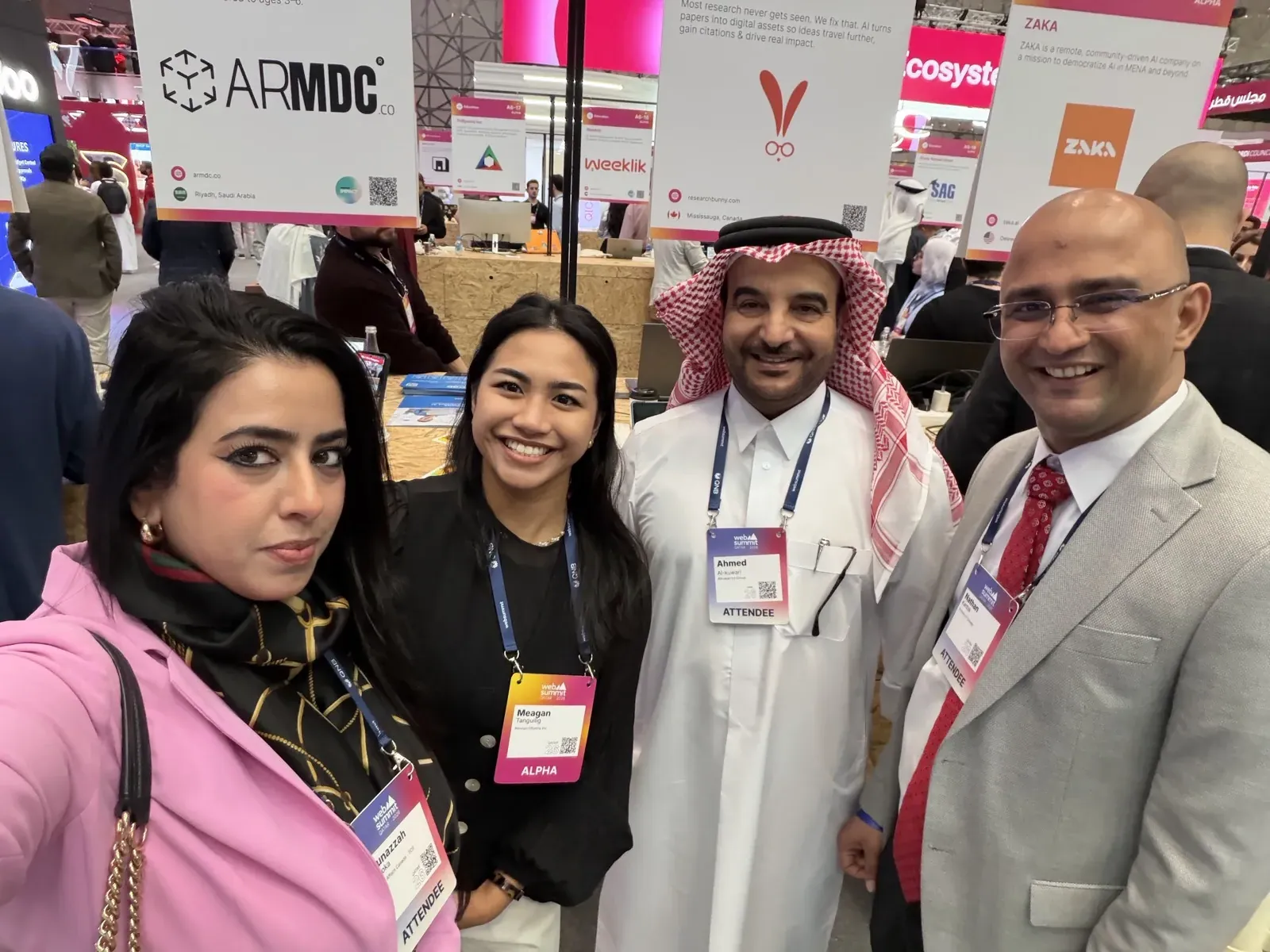
Founders At Work
Behind every pitch is a lot of unglamorous typing.
Between sessions, you’d find the team huddled over laptops, refining the deck, replying to interested universities, and queuing up demos in five languages. Web Summit isn’t a vacation. It’s a sprint with very good coffee.
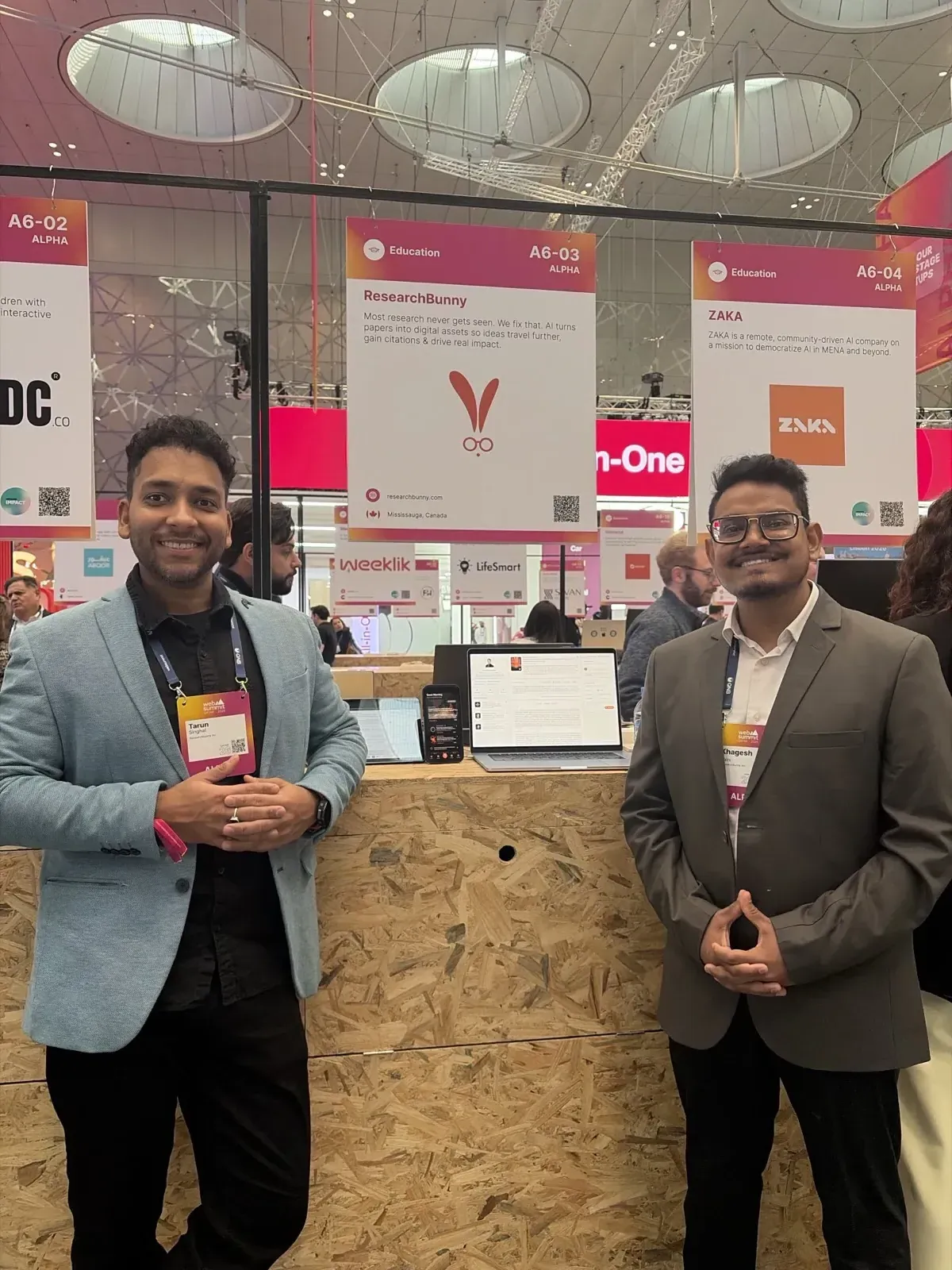
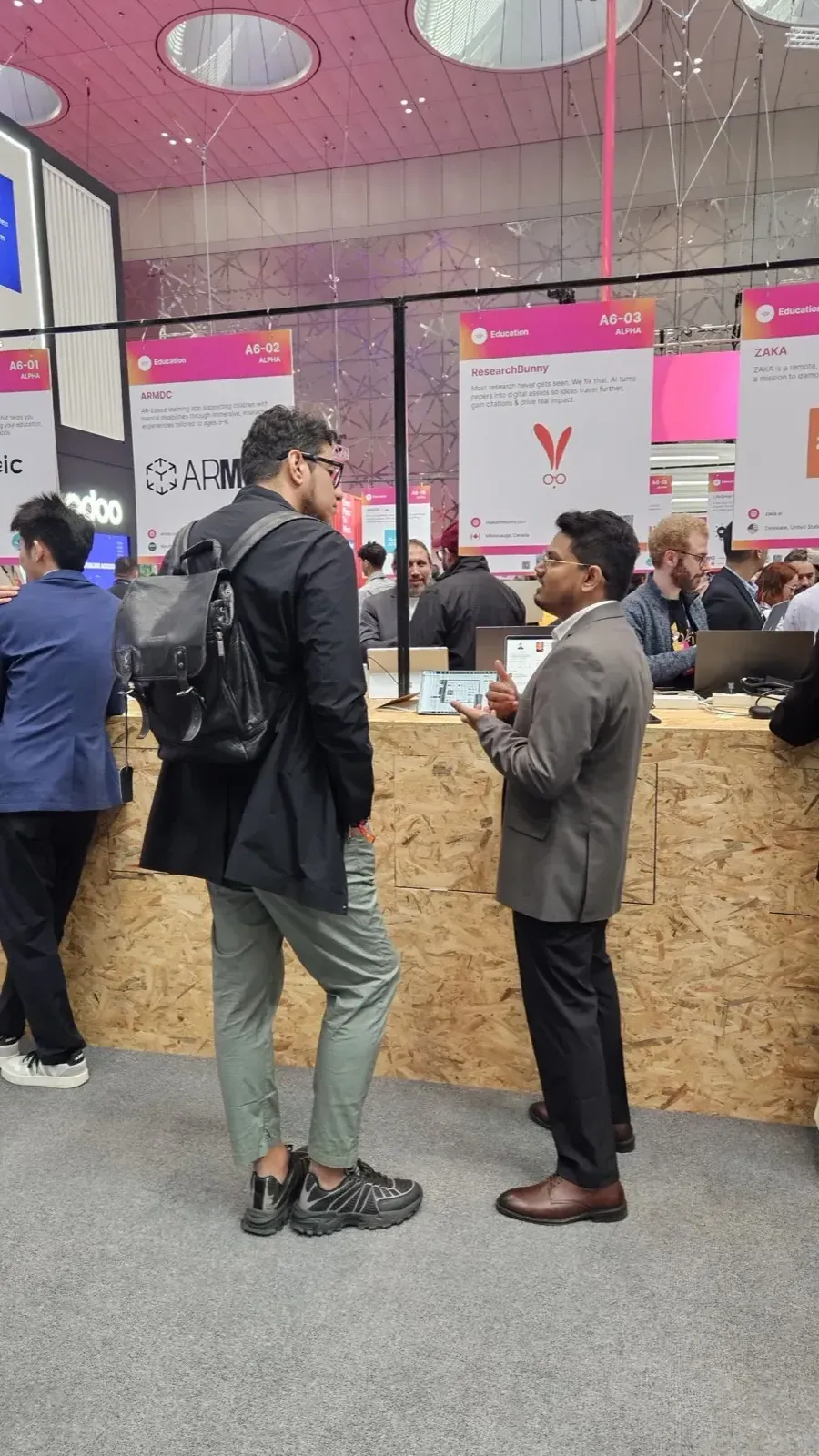
Who We Met (And What They Taught Us)
The most powerful insights came in quiet conversations:
- A researcher from Qatar University said: “We need this in classical Arabic too, for our literature and law students.”
- A founder from Nairobi wanted to embed RB into a continent-wide youth research platform.
- A PhD candidate from Lahore offered to narrate papers in Urdu: “So my mother can finally hear what I’ve been working on for six years.”
- A policy advisor from Riyadh asked if we could build briefs around Vision 2030 research priorities.
That’s when it clicked again: ResearchBunny isn’t just a product, it’s a movement. A bridge between knowledge and everyday life.
This isn’t about lowering standards. It’s about removing barriers.
What We’re Bringing Home from Doha (apart from a box of Karak memories)
- Knowledge Deserves a Better Interface PDFs and paywalls feel even more outdated in a region building cities of the future. We’re building something portable, personal, playful.
- Audio = Access Listening fits into life in ways reading can’t, on a metro ride from Msheireb, during a long drive across the desert, or between classes.
- Language Is Inclusion If it’s not in someone’s native tongue, it’s not truly accessible. Arabic, Urdu, Swahili, Farsi, and Turkish all belong on the global research stage.
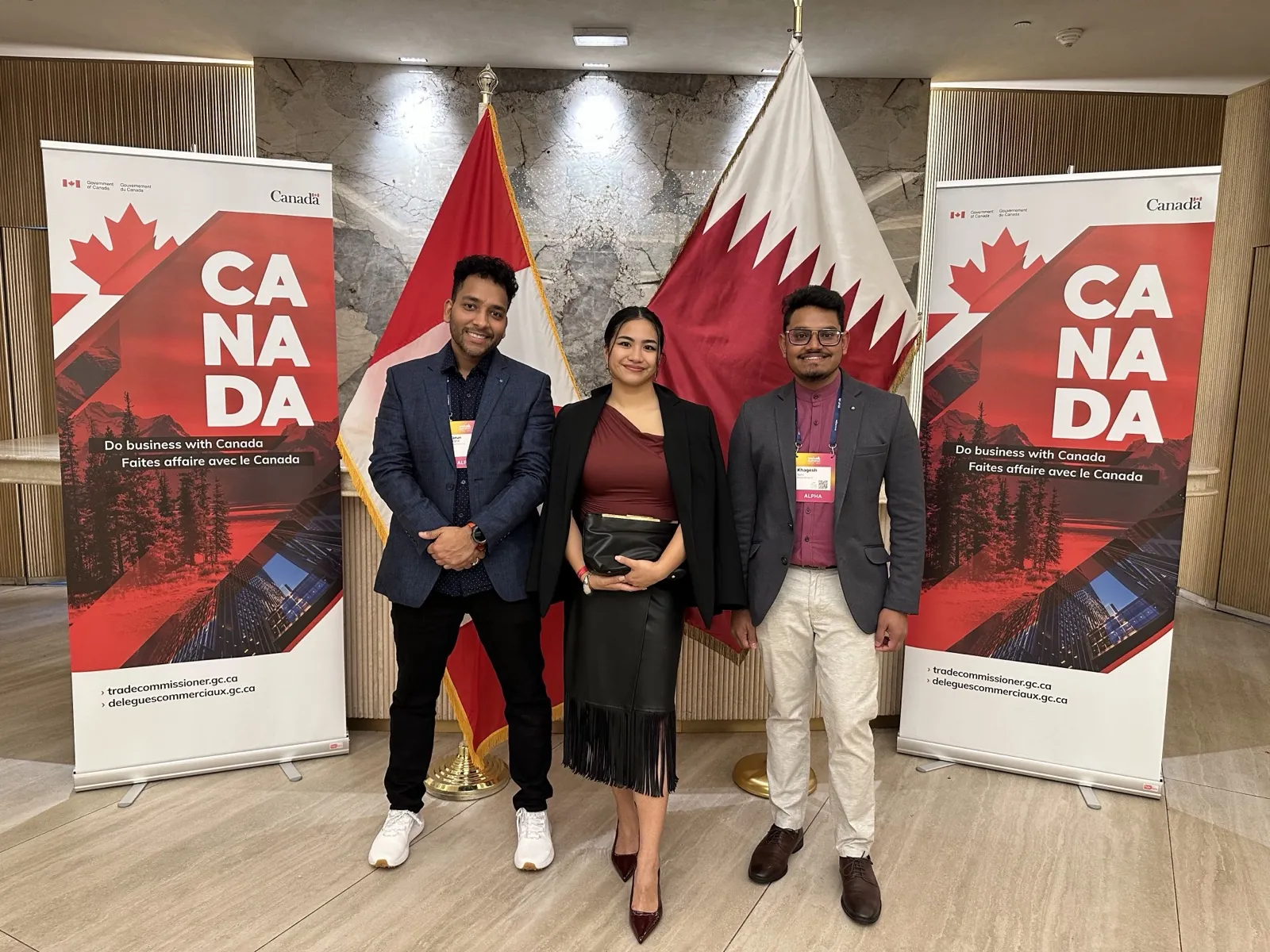
A Stop at the Canadian Embassy
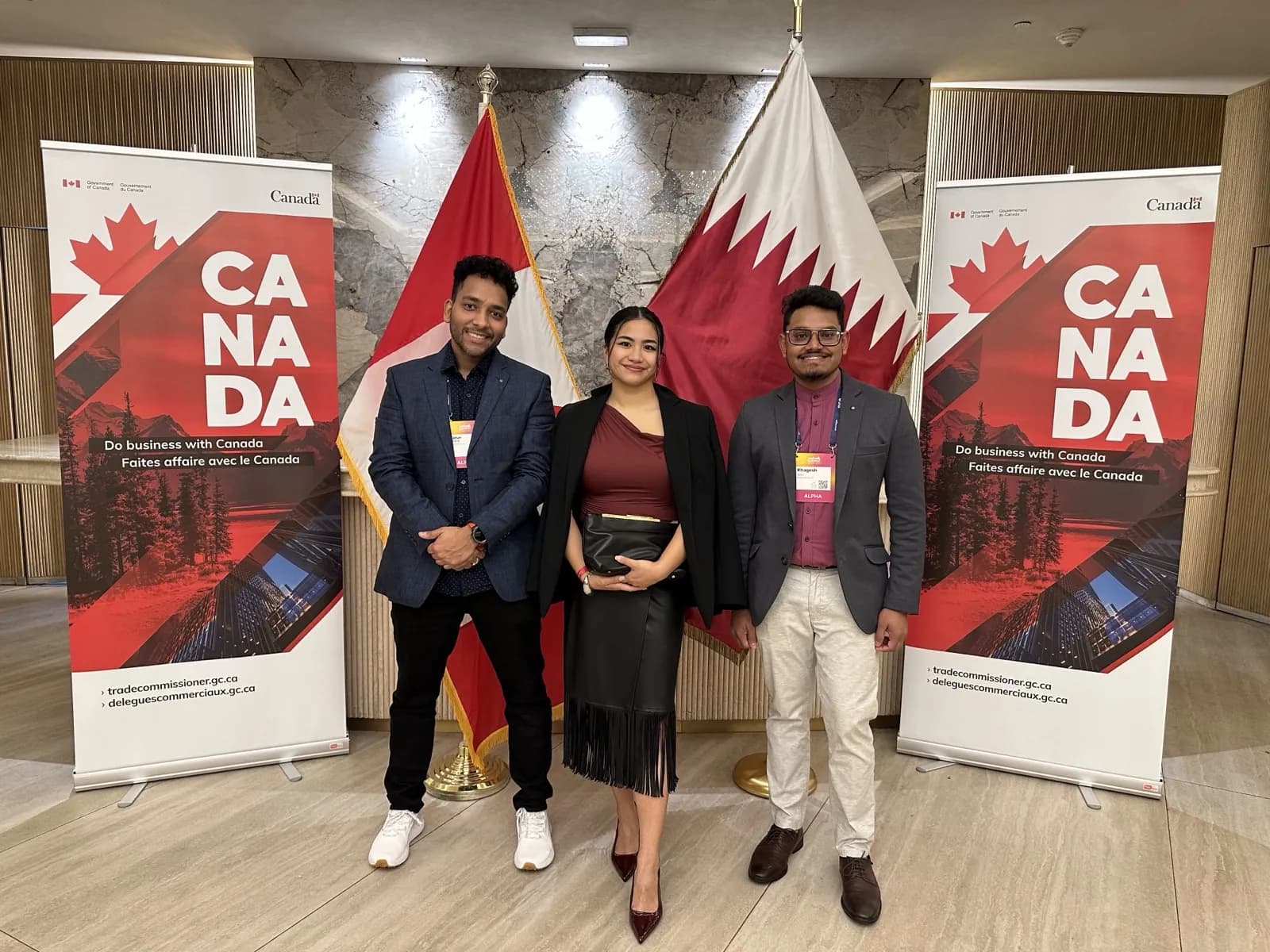
Before heading home, we were honoured to spend an evening at the Embassy of Canada in Doha, meeting trade officers, fellow Canadian founders, and partners exploring Gulf, Canada research corridors. Carrying a Canadian flag into a Qatari conference comes with its own kind of pride.
The message we kept hearing: “Bring more of this here.” We intend to.
A Walk Through Souq Waqif
When the lights of the convention center dimmed, the lanterns of Souq Waqif lit up. Spice stalls, oud music, falcons resting on perches, and the smell of grilled meat drifting between alleys. It’s the kind of place that reminds you knowledge has always travelled by voice, long before it travelled by paper.
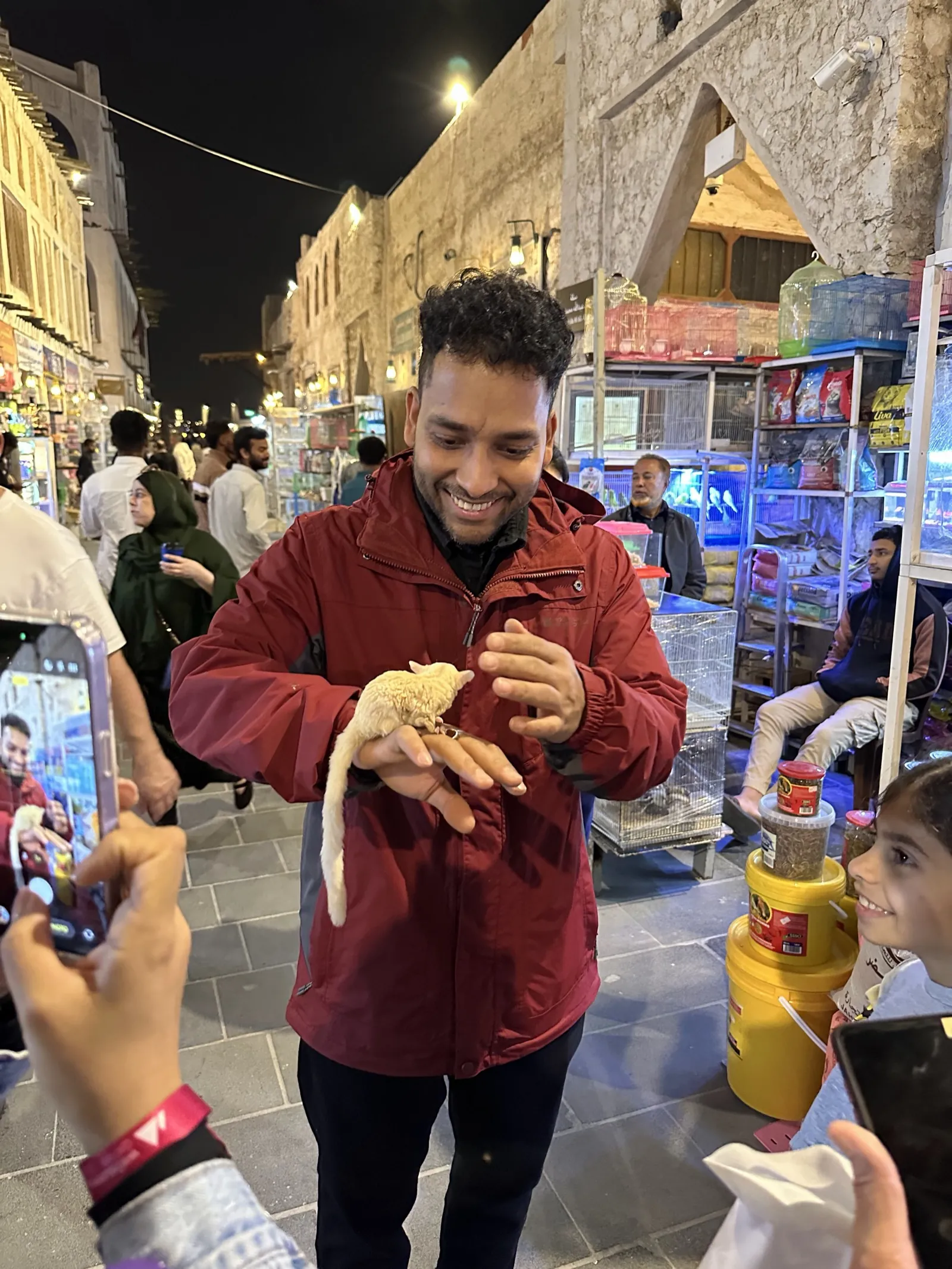
We left Doha thinking about that: research, like stories, lives best when it’s spoken.
🧡 Under the Doha Sky, We Heard What Matters
` Not just in the pitches, or the panels, or the product launches.
We heard it in the teacher who asked, “Can I assign this to my class?” In the student who whispered, “Now I can revise on the metro.” In the parent who said, “This makes research feel like it’s for me, too.”`
Because the future of research isn’t just written. It’s voiced. It’s shared. It’s felt.
Let’s keep building that future, one voice, one language, one listener at a time.
The Future of Research Isn’t Written. It’s Heard.
What’s Next for ResearchBunny ?
Fueled by Doha’s energy, we’re launching:
- Arabic Audio Channels: Modern Standard Arabic, Egyptian, and Gulf dialects
- Regional Research Collections: Vision 2030, climate, health, and education in MENA
- Educator Dashboards: Assign, track, and personalize research audio across classrooms
- B2B Integrations: Active pilots with universities and edtech platforms across the Gulf
We’re not here to replace research.
We’re here to help it reach the people it was meant for.
Come listen. ResearchBunny is free, forever. For all curious minds, now available in 14+ languages.
Thanks for reading!