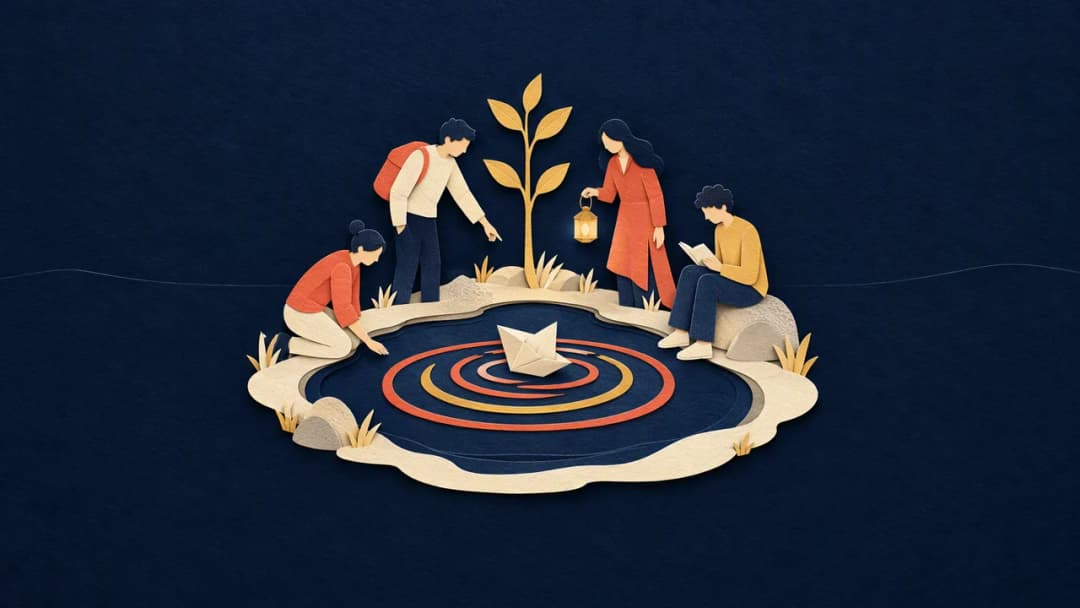
How to Make Research More Accessible to Non-Experts (Even Your Grandma!)
Have you ever tried to explain your latest research to a friend or family member, only to be met with blank stares or polite nods? You’re not alone. For far too long, important research has been locked behind dense language and paywalls, making it hard for non-experts, even your grandma, to understand the incredible discoveries shaping our world. But what if research could be as inviting and digestible as your favorite story? Making research more accessible isn’t just a courtesy; it’s a necessity for progress, trust, and impact.
Why Accessibility Matters in Research
Research is the engine that drives innovation, medicine, technology, and social change. Yet, up to 40% of research remains “undiscovered” because it’s trapped in formats that only a select few can understand. This knowledge gap impacts everyone:
Bridging this gap empowers more people to make informed decisions, spark curiosity, and even inspire the next generation of scientists.
Ditch the Jargon: Speak Human
Let’s be real, academic language can be intimidating. While terms like “epigenetic modulation” or “heuristic optimization” might impress your peers, they can leave non-experts feeling excluded.
Analogies and stories help, too. If you can explain your research the way you’d explain a recipe or a childhood memory, you’re on the right track. Remember, clarity doesn’t mean dumbing down, it means opening up.
Use Engaging Formats
Not everyone learns best by reading long papers. Some prefer audio, visuals, or interactive content. Consider:
When research meets the audience where they are, it’s more likely to stick.
Translate and Localize
English dominates academic publishing, but not everyone speaks it fluently. Translating summaries and key insights into multiple languages can make research globally accessible. It’s not just about words, it’s about cultural context, too. Local examples and relatable scenarios can make new ideas feel familiar and relevant.
Highlight “So What?” and “Now What?”
Non-experts want to know why research matters and how it applies to their lives. Every summary should answer:
For example, if your study shows a new way to conserve water, explain how it could lower household bills or help communities in drought.
ResearchBunny: Making Research Cozy for Everyone
This is where platforms like ResearchBunny step in. ResearchBunny uses AI-powered curation to filter out the noise and spotlight the most relevant studies. Its multi-lingual audio briefs transform dense papers into engaging, 15-minute episodes anyone can enjoy, perfect for grandma’s afternoon walk or your neighbor’s daily commute. With customizable ResearchBunny Pages and embeddable widgets, you can showcase your research in a simple, beautiful format, making it easy for everyone to access, understand, and share.
Invite Conversation, Not Just Consumption
Accessibility isn’t a one-way street. Encourage questions and feedback. Host Q&A sessions, invite input on social media, or create discussion forums. When people feel part of the conversation, they’re more likely to care, and share.
Small Changes, Big Impact
Making research accessible doesn’t require reinventing the wheel. Here’s how you can start:
Conclusion: Knowledge for All
Imagine a world where your grandma, your neighbor, or your childhood friend can understand, appreciate, and even apply the latest research. When we make research more accessible, we unlock its true power to inform, inspire, and uplift. Because knowledge should belong to everyone, not just the experts.
Ready to make your research reach further? Start today, and watch the ripple effect of understanding spread.
Want to see accessible research in action? Check out ResearchBunny and discover how easy, and human, research can be.