Can’t Keep Up With Research in Your Field? Audio Summaries to the Rescue
Do you ever feel buried under a mountain of new research papers? You’re not alone. Whether you’re a graduate student, a busy researcher, or a lifelong learner, keeping up with the relentless pace of scientific progress can feel impossible. Every week, thousands of new papers are published, each filled with dense jargon, complex data, and findings that could reshape your understanding. How can anyone possibly stay up-to-date?
The Overwhelming Flood of Knowledge
Modern research moves fast, sometimes too fast. The sheer volume of publications is staggering. According to recent estimates, over 2.5 million scientific articles are published every year. That’s nearly 7,000 new papers every single day. Even the most dedicated experts can’t read everything. Add in paywalls, obscure terminology, and language barriers, and it’s easy to see why 40% of research remains undiscovered or underutilized.
But ignoring new knowledge isn’t an option. Missed research can mean missed opportunities, outdated methods, or even duplicated work. For students, it means struggling to keep pace with coursework and assignments. For the general public, it means missing out on the latest discoveries that could impact health, technology, or society.
Why Traditional Summaries Aren’t Enough
Abstracts and written summaries help, but they often fall short. They’re still packed with technical language and require focused reading, something not everyone can carve out time for. PDF fatigue is real. Skimming through dozens of articles to extract the gist is mentally draining, and it’s all too easy to miss the most important insights.
Plus, written content isn’t always accessible. Not everyone reads quickly or comfortably in English. For non-native speakers, complex vocabulary can be a major stumbling block. And with so much content locked behind paywalls or hidden in obscure journals, the accessibility gap keeps growing.
The Rise of Audio Summaries
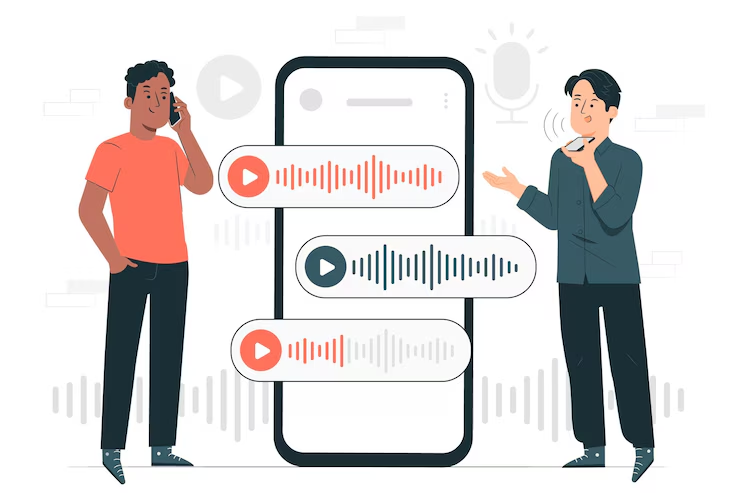
Enter audio summaries, a game-changer for modern research consumption. Imagine getting the essence of a new study while commuting, cooking, or jogging. Audio summaries turn dense, jargon-laden articles into engaging, digestible stories. Instead of slogging through endless PDFs, you can listen and learn on the go.
Audio isn’t just convenient, it’s powerful. Studies show that people retain spoken information differently than written words. Audio summaries can highlight key findings, explain complicated concepts in plain language, and even inject a bit of personality into otherwise dry material. For visual learners, pairing audio with graphics or transcripts creates a richer, multi-sensory experience.
Breaking Down Barriers with ResearchBunny
This is where platforms like ResearchBunny shine. ResearchBunny tackles the “information overload” head-on with AI-powered curation and multi-lingual audio briefs. Instead of drowning in irrelevant papers, you get concise, 15-minute audio summaries of the most impactful research, available in multiple languages. No more wading through jargon or struggling with complex English. Just clear, engaging insights delivered straight to your ears. For researchers, students, and anyone curious about the world, ResearchBunny transforms how you discover and digest new knowledge.
Who Benefits from Audio Research Summaries?
Researchers: Stay ahead in your field without sacrificing your own research time. Catch up on the latest findings while driving to the lab or taking a walk.
Students: Juggle coursework, projects, and life by learning on the move. Audio summaries help reinforce concepts and keep you engaged.
General Public: Bridge the gap between complex science and everyday life. Understand breakthroughs that could impact your health, community, or career.
Non-Native Speakers: Access research insights in your preferred language and at your own pace, no more struggling with unfamiliar terminology.
How to Make the Most of Audio Summaries
The Future of Research is Accessible
Audio summaries are more than a convenience, they’re a revolution in how we access, understand, and share knowledge. By breaking down barriers of language, time, and complexity, they empower everyone to keep pace with our ever-evolving world.
Ready to catch up on research without the overwhelm? Let audio summaries, and platforms like ResearchBunny, be your guide. Because in the race to stay informed, a little help can make all the difference.